Register interest

Solar

Reliable power for the home you are building.

A home back home needs power it can count on. This is how we will help, once verification is running.

Solar panels on a red tiled roof under a blue sky
Illustrative photograph

From the first visit to steady power

Sized to the way your home really uses power

We look at what the household runs, how often the grid goes off, and what it spends on power today. Then we choose a proven, standard system that fits, never a one-off build.
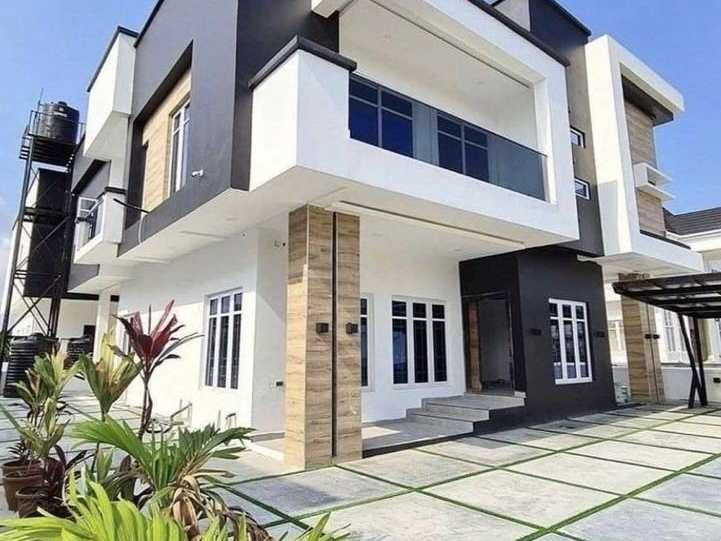
A modern two-storey house with large windows and a palm garden
Illustrative photograph

Fitted by certified installers

Installers are trained, certified and rated on every job. Part of their payment is held back until the system has run cleanly, and is released within 14 days of that.
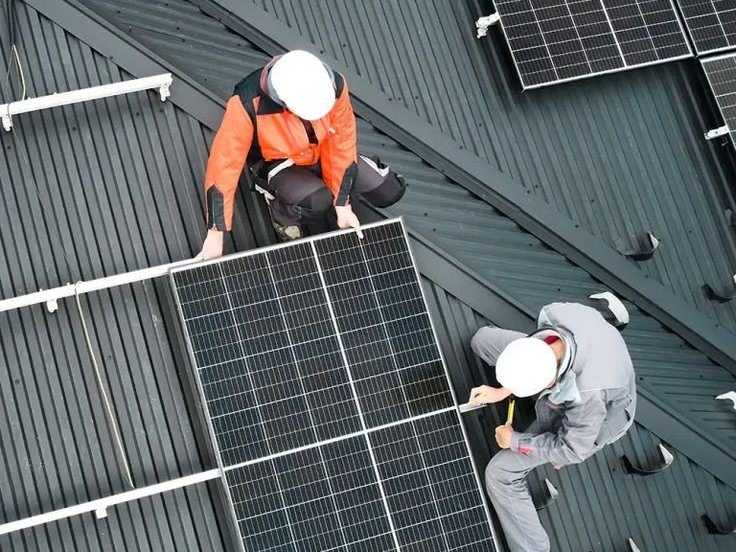
Two installers fitting solar panels on a roof
Illustrative photograph

Switched on only when it proves itself

A system counts as finished when it has reported steadily, its serial numbers match, and it performs as specified. An installer cannot simply say it is done.

An installer in an orange suit checking a solar panel
Illustrative photograph

What could it cost each month?

An example with a typical 5kVA system. Put in your own numbers to see how a monthly payment would compare with what you spend on power today, and where it sits against our first rule.

Where these figures come from
  • Petrol at ₦1,370 a litre. Lagos pump prices in early November 2026 (₦1,349–₦1,370). The model used ₦1,400 from September. Source
  • A generator using 1.75 litres an hour, 4 hours a day by default. The model’s fuel rate, at the low end of maker figures for a 5–7kVA petrol set at half load. Four hours is close to the national average of 4.1 hours a day; the model assumed 6.
  • ₦40,000 electricity bill and ₦20,000 generator servicing a month. The model’s household baseline. About 190 units at the Band A tariff of ₦209.50.
  • ₦5.9 million for the system, 15% paid up front. Syllola’s planned price for a 5kVA system with installation, monitoring and a service reserve. Complete systems in Lagos were quoted at ₦3.6–₦5.7 million in November 2026. Source
  • 28% a year over 36 months. An example only: a bank would set the real rate and term. Nigerian bank lending rates ran from about 19% (prime) to 33% (maximum) in 2026. Source
  • ₦1,347 to the US dollar. Official NFEM rate, 6 November 2026. Shown only as a guide.
Illustrative

Figures as of 9 November 2026

What you spend on power now
₦347,700 a monthPetrol ₦287,700, plus your electricity bill and generator servicing.
Example payment for a 5kVA solar system with a lithium battery
₦207,438 a month for 36 monthsAbout US$154, a guide only, at ₦1,347 to the dollar (6 November 2026). After ₦885,000 paid up front.
Rule 1
The payment would be 60% of what you spend on power now. Rule 1 allows up to 90%, so a system this size could fit.
Compared with today
About ₦140,262 a month less than you spend now.

An illustration, not an offer. Syllola does not lend: a bank would set the real price, rate and term, and a real check uses your actual bills and receipts, not an estimate.

Watched over, month after month

Each system reports how it is doing, so problems are spotted early. That steady record is also what could one day let a regulated bank lend against the system, as well as the home.

We do not lend, and no bank partnership is in place yet. We will say so plainly until one is.

Fair from the start

Solar should make life easier, not tighter. A few of the promises we hold ourselves to:

  • Your payment stays below what you already spend on power.

    The monthly solar payment can never be more than 90% of what the household already spends on energy today, verified, not estimated. If it would be, the answer is a smaller system, never a longer contract.

  • You never keep paying for equipment that has worn out.

    A solar contract can run for at most 40% of the battery’s warranty period, so nobody is still paying for equipment that has worn out. This cannot be changed deal by deal.

  • Nobody is ever fully cut off.

    If a lender instructs a reduction after sustained arrears and 72 hours’ notice, the system drops to essential loads only. A household is never fully disconnected: that command does not exist.